
Pawpaw
Asimina triloba
🌿 Botanical Info
Overview
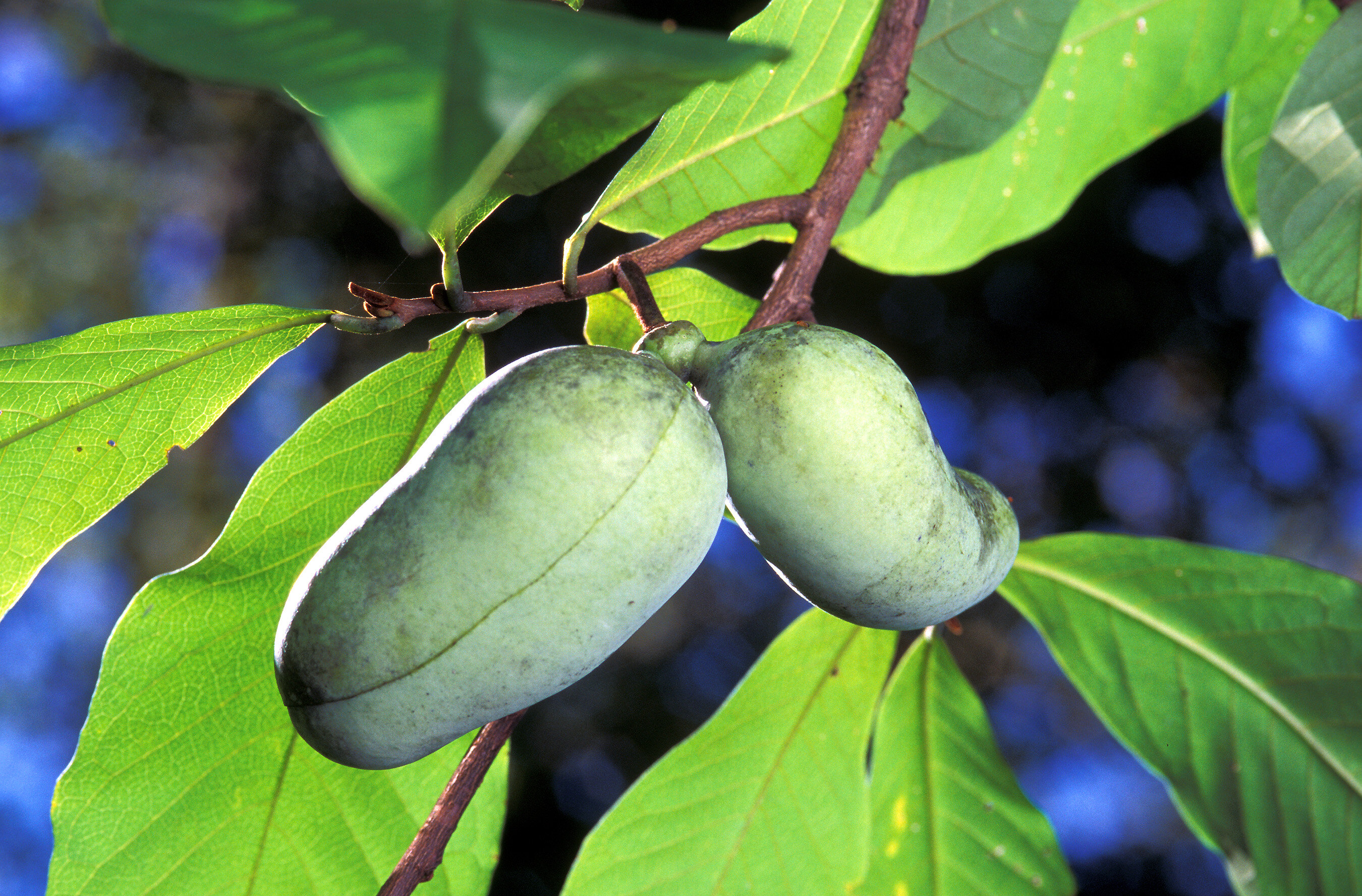
Pawpaw is a fascinating, native fruit tree from the eastern United States. Known for its tropical-looking leaves and custard-like fruit, pawpaw has gained attention among gardeners and foragers. It bears the largest edible fruit native to North America.
Growing Conditions
Pawpaw trees thrive in moist, well-drained soil and require consistent watering, especially in their early years. They prefer full sun to partial shade and need at least two different trees for proper pollination, as they are not self-pollinating. Hand pollination can help improve fruit set.
Cultivation
Pawpaw trees are not self-pollinating and rely on flies and beetles for pollination. Planting two genetically distinct trees is essential for fruit production. The trees need consistent moisture and regular watering, especially during dry spells. They are relatively low maintenance once established.
More info
Pawpaw fruits were a crucial food source for Native Americans and early European settlers. The wood of the tree was also used to craft tools. Additionally, pawpaw's unique pollination system, relying on flies and beetles, makes hand pollination a common practice among growers. Pawpaw is the largest edible fruit native to North America, and it’s even celebrated in festivals like the Ohio Pawpaw Festival. It has also been referenced in traditional Appalachian folk songs.
🍲 Culinary Uses
Taste and Flavor
The flesh of pawpaw is creamy with a custard-like texture and a flavor that’s often compared to a mix of banana, mango, and melon. It contains several large, dark brown seeds and has a distinctive, tropical taste.
Nutritional Value
Pawpaw is rich in vitamins A and C, magnesium, potassium, and antioxidants. It’s a nutritious fruit with a variety of health benefits.
Availability
Pawpaw fruits ripen between late summer and early fall, typically from September to October, and are best eaten shortly after ripening due to their short shelf life.
Shelf Life
Pawpaw has a very short shelf life and should be eaten soon after ripening. To extend freshness, it can be refrigerated for a few days or frozen for longer-term storage.
Allergies
Some people may experience digestive discomfort from pawpaw, but allergies to the fruit are relatively rare.