
Fig
Ficus carica
🌿 Botanical Info
Overview
Figs are a unique fruit with a rich history of cultivation and use by humans. Belonging to the Moraceae family, which includes other fruits like mulberries, figs are technically syconia—a type of multiple fruit where the flowers and seeds grow together inside a fleshy stem. The common fig is the most widely grown species. Figs are known for their sweet, soft flesh and crunchy seeds.
Appearance
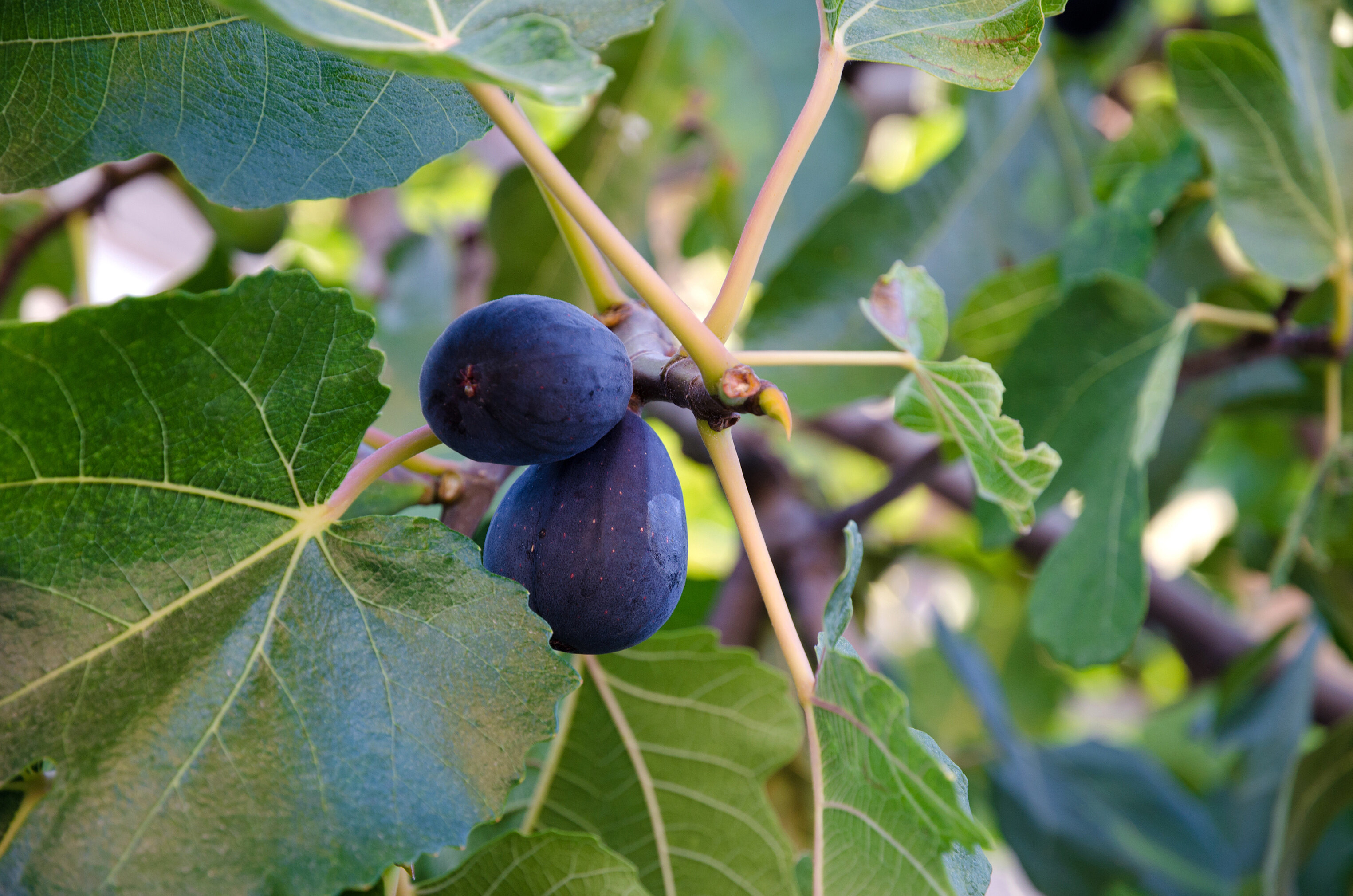
Figs are pear-shaped and can vary in color from green to yellow, purple, and black when ripe. They typically ripen from July to September. The interior of a fig is filled with tiny, crunchy seeds and a sweet, soft flesh.
Growing Conditions
Figs thrive in warm, temperate climates and are native to the Mediterranean and western Asia. They can also grow in subtropical regions. Figs require full sun for optimal growth and fruit production and prefer well-drained, loamy soil but are adaptable to various soil types, including sandy and clay soils.
Cultivation
Figs are relatively easy to grow and are adaptable to a range of soil types. They should be planted in a location with full sun and well-drained soil. Regular watering is important, especially during dry periods, but overwatering should be avoided. Pruning may be necessary to maintain the shape and health of the tree.
More info
Figs are not true fruits but syconia, which is a type of multiple fruit. This unique structure contributes to their distinct texture and flavor. Figs have been cultivated since ancient times and were highly prized by ancient civilizations, including the Greeks and Romans. They were also among the first fruits to be domesticated.
🍲 Culinary Uses
Nutritional Value
Figs are a good source of dietary fiber, which aids digestion and helps prevent constipation. They also contain vitamins and minerals, including calcium, potassium, and iron.
Availability
Figs are typically harvested from July to September, depending on the climate and variety.
Shelf Life
Fresh figs should be kept in the crisper drawer of the refrigerator and can last up to a week. Dried figs have a longer shelf life and can be stored in a cool, dry place for several months.
Allergies
Figs are generally well-tolerated, but individuals with allergies to latex or other fruits may experience reactions. It’s advisable to consult with a healthcare provider if there are concerns about potential allergies.