
Bush Cherry
🌿 Botanical Info
Overview
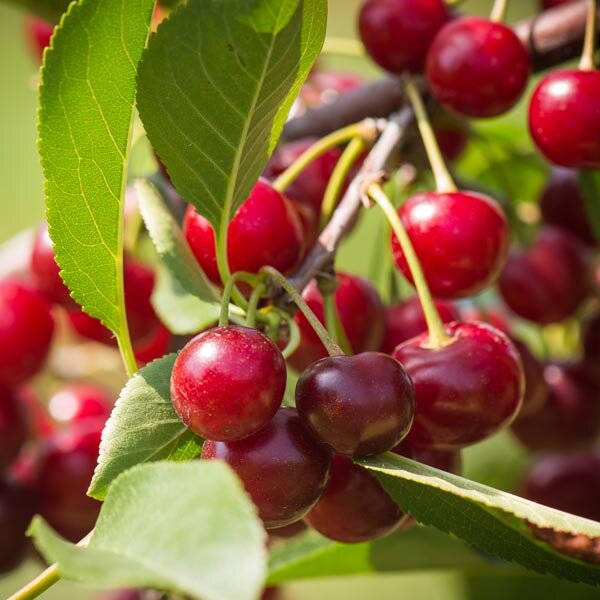
Bush cherries are low-growing shrubs, valued for their unique tart flavor and attractive appearance. They typically reach heights of 4 to 10 feet, depending on the variety. The plants produce ornamental white or pink blossoms in the spring and are used in various culinary and landscaping applications.
Appearance
Bush cherry shrubs are low-growing and can reach heights between 4 to 10 feet. They produce small cherries that are generally more tart than sweet cherries. The plants also display attractive white or pink blossoms in the spring.
Growing Conditions
Bush cherries thrive in full sun but can tolerate partial shade. They need regular watering, especially during dry periods, though they are relatively drought-tolerant once established. Proper pruning can help maintain the shrub's shape and encourage healthy fruit production.
More info
In addition to their culinary uses, bush cherries are valued for their ornamental qualities, with their spring blossoms adding aesthetic value to gardens. They are also known for their health benefits due to their high antioxidant content. The combination of tartness and health benefits makes bush cherries a versatile fruit, not only enhancing recipes but also contributing to garden aesthetics.
🍲 Culinary Uses
Taste and Flavor
Bush cherries are tart and smaller compared to sweet cherries. This tartness makes them ideal for cooking and baking, as well as for use in preserves, syrups, pies, and wines.
Nutritional Value
Bush cherries contain beneficial plant compounds that support circulation and overall health. They are high in protein, carbohydrates, and fiber. They also contain antioxidants like anthocyanins, which may help prevent cancer and promote heart health, and melatonin, which can reduce inflammation and aid in managing arthritis pain.
Availability
Bush cherries are typically harvested in late summer to early fall, depending on the climate and variety.
Shelf Life
Bush cherries last about 8-9 days in the refrigerator when stored properly.
Allergies
There are no widely recognized allergies specific to bush cherries. However, individuals with sensitivities to other fruits or tree nuts should exercise caution.