
Apple
Malus domestica
🌿 Botanical Info
Overview
Apples are among the most widely cultivated and consumed fruits globally. They belong to the Rosaceae family, which includes pears, peaches, and plums. Known for their sweet or tart flavor, crisp texture, and versatile use in cooking, apples come in various sizes, colors, and shapes. They can be red, green, yellow, or a combination of these colors.
Appearance
Apples vary widely in size and shape depending on the variety. They can be round or slightly elongated and exhibit a range of colors including red, green, yellow, or multicolored. Their skin is typically smooth and can have varying degrees of glossiness.
Cultivation
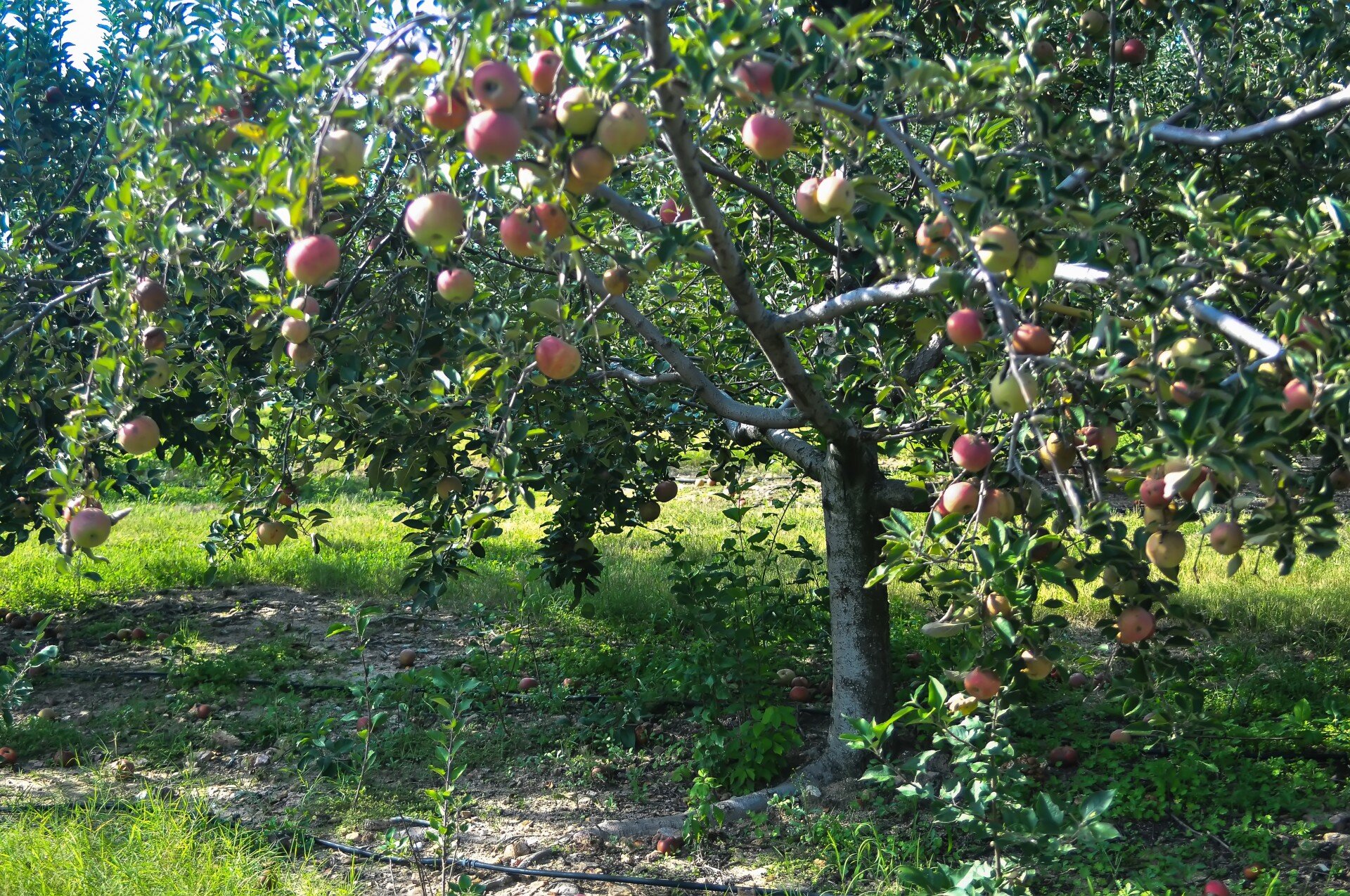
Apple trees are typically planted in the spring or fall. They need ample sunlight and well-drained soil to grow effectively. Regular watering is important, especially during dry periods. Apple trees are usually pruned to maintain shape and improve fruit quality. Harvesting occurs from late summer through fall, depending on the variety and local climate.
More info
Apples have been cultivated for thousands of years and hold significant cultural and historical importance. They are often associated with symbolism in various myths and legends, including the biblical story of Adam and Eve. There are over 7,500 varieties of apples grown around the world, each with its own unique flavor and texture. The most popular apple varieties include Fuji, Gala, Granny Smith, and Red
🍲 Culinary Uses
Taste and Flavor
Apples can have a wide range of flavors from very sweet to tart, depending on the variety. Some common taste profiles include honeyed sweetness, tangy sharpness, or a balanced combination. The texture is typically crisp and juicy.
Nutritional Value
Apples are rich in dietary fiber, which promotes healthy digestion and helps regulate blood sugar levels. They also contain vitamins (such as Vitamin C) and various antioxidants, contributing to overall health.
Availability
Apples are available from late summer through fall. They are commonly grown in temperate regions around the world, including the United States, Europe, and parts of Asia.
Shelf Life
At room temperature, apples typically last about 1-2 weeks. To extend their freshness, store apples in the crisper drawer of the refrigerator, where they can last up to 4 weeks.
Allergies
Some individuals may have allergies to apples, often related to oral allergy syndrome (OAS) where the body reacts to certain proteins in apples that are similar to pollen proteins.